How Old Are Games Really? Smithsonian Examples That Surprised Me
When we think about games, especially those played online or on our phones, we often assume they're a relatively modern pastime. Yet, a quick look into the history of games 12,000 years ago reveals a rich legacy that dates back to ancient times—confirmed by fascinating discoveries showcased in Smithsonian Magazine. As someone who’s covered digital culture for over a decade, this blend of ancient practices with today’s digital convenience caught me by surprise. Let’s dive into some archaeology of games finds, how familiar rules reduce player friction, and where digital adaptations like those from MrQ and community sites like The Yeshiva World (YWN) fit in.
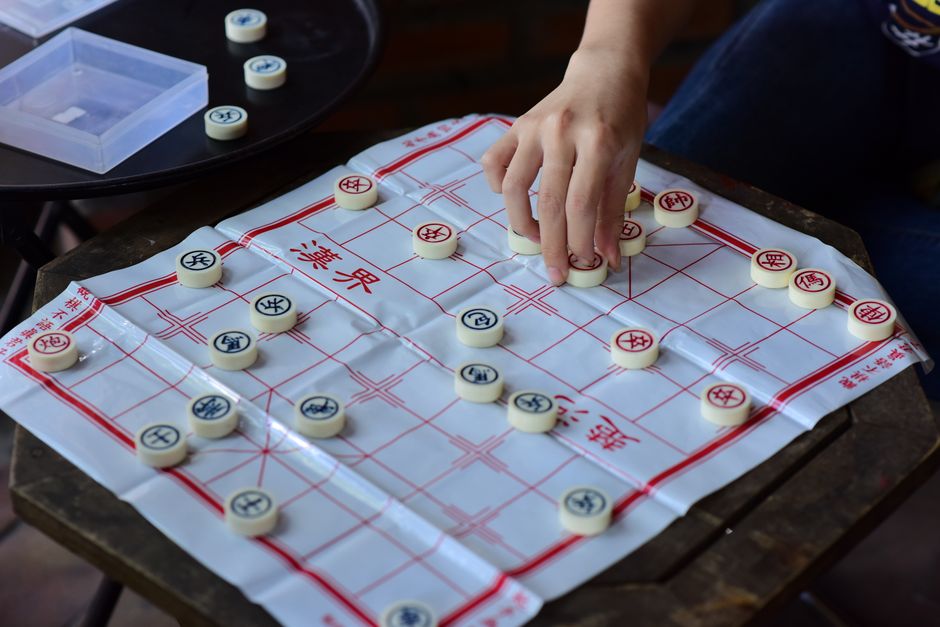
What Remains the Same: Familiar Rules and Play Patterns
Whether you’re dabbling in the ancient board game Senet (Egyptian, ~3000 BCE) or logging onto a game of bingo on MrQ's platform, a common thread unites these experiences: familiar, approachable rules.
Familiarity reduces “friction,” a term for anything that makes new players hesitate or quit. Archaeologists find https://highstylife.com/why-is-chess-still-popular-even-with-modern-video-games/ that many ancient games rely on simple dice rolls or grid-based moves—just like modern bingo or classic card games. These intuitive rules create a quick learning curve, helping players focus on strategy and fun rather than wrestling with complexity.
Quick Definitions:
- Full House: In bingo, a full house means marking all the numbers on your card.
- Daubber: The tool or marker used to mark numbers on a bingo card; in digital games, this can be an automatic number marking feature.
- Automatic number marking (auto-daub/auto-mark): A digital convenience that automatically selects your numbers as they’re called.
This core principle—easy-to-follow gameplay—has stood the test of time, proving that humans crave engaging social rituals with clear, shared objectives.
What’s New: Convenience Features in Digital Play
Fast forward thousands of years from the carved ivory pieces of ancient gaming sets discovered by archaeologists to the sleek, colorful interfaces on laptops and phones. Digital play platforms, such as MrQ (mrq.com), have transformed how we interact with classic games.
Take the example of bingo: originally played in community halls with paper cards and physical dabbers, today's online versions boast convenience features like automatic number marking. This “auto-daub” means players don’t have to manually mark every called number, letting them focus on the thrill of the game, social interaction, or multitasking at home.
Additionally:
- Access from anywhere: Whether on a laptop or phone, players carry a whole bingo hall in their pocket.
- Hybrid games: Games like Slingo combine slots-style gameplay with bingo mechanics, introducing new layers of strategy.
- Social features: Real-time chat rooms attempt to mimic community halls, though many platforms still wrestle with making chats lively rather than “dead chat boxes.”
Bingo as a Case Study for Adaptation
Bingo’s evolution perfectly illustrates how traditional games adapt to digital culture. Originally a fundraising tool in 1920s America, check here its appeal rests on speed, luck, and communal excitement. Digital versions preserve these elements but add convenience and reach.
Here’s how modern digital bingo builds on ancient principles:
Aspect Traditional Bingo Digital Bingo (e.g., MrQ) Physical Tools Paper cards, manual daubers Virtual cards, auto-daub feature Play Environment Community halls or social gatherings Laptop, phone — anytime, anywhere Social Interaction In-person chatter Online chat rooms with mixed success Game Combination Stand-alone bingo Hybrid games like SlingoNothing replaces the feeling of a physical bingo hall, but these adaptations show how convenience features help preserve player enthusiasm across generations and media.
Ancient Games and Smithsonian Magazine: What Surprised Me
The Smithsonian Magazine’s archaeology articles introduced me to ancient gaming artifacts that aligned curiously well with today’s mechanics. For example, game boards carved into stone or bone, dice made from animal bones, and early counting tokens illustrate that humanity’s urge to play is innate and evolving.
A few surprises:

- Games older than writing: Some game pieces predate written language, indicating gaming might have helped build early communication and social skills.
- Hybrid games then and now: Archaeological evidence shows games combining chance and skill, much like modern Slingo.
- Continuity of community play: Just as bingo thrives on shared activity today, ancient games were social events, with players gathering for storytelling, competition, and bonding.
Why Sites Like The Yeshiva World (YWN) Matter for Modern Game Culture
While Smithsonian Magazine brings the past to light, today’s digital game communities like The Yeshiva World (YWN) show how cultural and religious communities embrace digital play. These platforms often share tips, stories, and local tournament info that keep the social heart of games alive—much like traditional halls, but online.
Their emphasis on community echoes the social foundations seen in ancient gaming cultures, reinforcing that despite new interfaces and devices, the human experience of play remains timeless.
Wrapping It Up: What History Teaches Us About Digital Play
The history of games 12,000 years ago to the buzz of online bingo chats today shows a beautiful blend of continuity and change:
- Familiar simple rules: Helped ancient players and keep digital newbies hooked.
- Convenience features (auto-daub, cross-device play): Reduce hassle and adapt to modern busy lifestyles.
- Hybrid games: Keep gameplay fresh by combining traditional and new mechanics (e.g., Slingo).
- Community spaces: From physical halls to platforms like YWN, social gaming remains core.
So next time you log into a game on your laptop or phone, remember: You’re partaking in a tradition that stretches back thousands of years, supported by modern tech but deeply rooted in human connection. And thanks to bright resources from Smithsonian Magazine and smart platforms like MrQ, learning about and playing games is more delightful than ever.