What Should I Look for in a Venue if Half the Group Wants to Talk?
Planning a night out with a mixed-interest group can feel like navigating a maze. Half your friends want to catch up over drinks and conversation, while the other half are eager for live music, dancing, or a lively atmosphere. How do you find a venue that suits everyone without sacrificing the social vibe? The key is choosing venues with quiet lounge areas, thoughtful seating and bar layouts, and carefully managed music volume.
In this post, I’ll break down what to look for when your group has diverse priorities — focusing on all-in-one venues that replace the old single-purpose nights out. Along the way, I’ll cover why dining should be treated as a destination (not an afterthought), how live events shape the evening's flow, and how social spaces act as the glue holding mixed-interest groups together. I’ll also offer practical tips about sharing your plans online responsibly and avoiding a common mistake venues make by omitting prices.
Why Consider All-in-One Venues Instead of Single-Purpose Spots?
Gone are the days when a night out meant choosing between a quiet bar or a loud club. Today, many venues offer multi-use spaces that cater to different moods and interests under one roof. This approach is perfect for groups where some want to talk and others want to enjoy more https://relatejokes.com/why-modern-entertainment-venues-are-offering-more-under-one-roof/ energetic entertainment.
All-in-one venues typically feature:
- Quiet Lounge Areas: Comfortable spots designed for easy conversation without shouting over music.
- Varied Seating and Bar Options: High stools near the bar, cozy booths, communal tables—allowing guests to spread out or gather close.
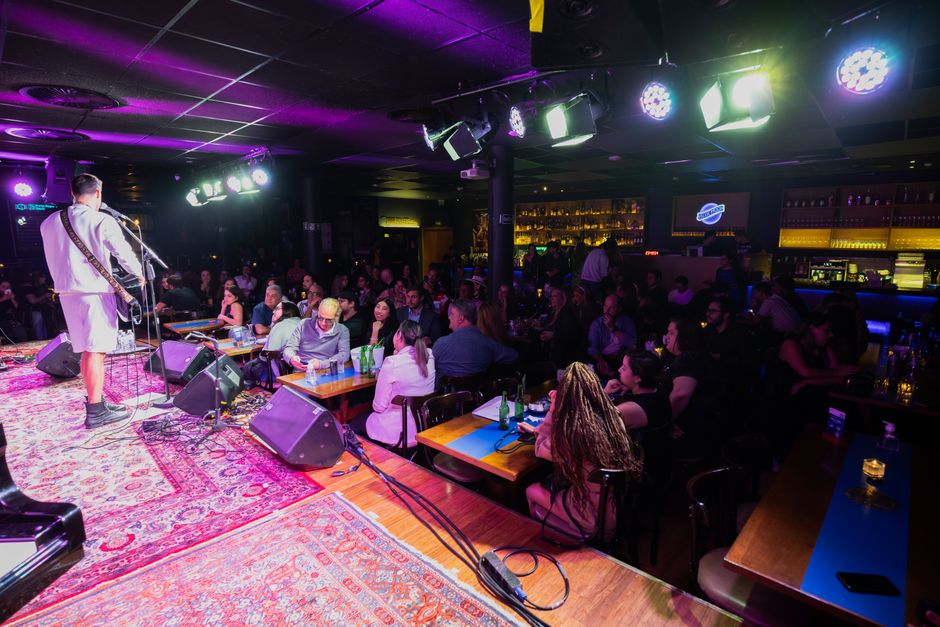
- Live Music Zones: Spaces that can be enjoyed from afar or serve as a focal point for fans of performances.
- Dynamic Music Volume Control: The ability to lower or raise volume based on the time of night or event.
By focusing on venues that incorporate these elements, you can ensure everyone in your group finds their sweet spot for the evening.
Quiet Lounge Areas: The Heart of Socializing in Busy Venues
When half your group wants to talk, having access to a quiet lounge area is essential. These spaces are specifically designed to reduce background noise, incorporate sound-absorbing materials, and provide comfortable seating that encourages lingering discussions.
Look for venues advertising these elements:
- Separation from Main Event Spaces: Lounges tucked away from the stage or dancefloor help conversation thrive.
- Soft Furnishings: Plush sofas, armchairs, and rugs that dampen sound.
- Ambient Lighting: Not so dark you can’t see your friends’ expressions, but soft enough to create intimacy.
Insisting on venues with true lounge spaces prevents the all-too-common frustration of shouting over booming music and ultimately feeling disconnected from friends.
Seating and Bars: Where Function Meets Group Flow
The layout of a venue significantly impacts your group’s experience. When half your crew’s priority is talking, seating arrangements need to facilitate that without isolating any members.
Here’s what to look for:
- Variety of Seating Types: Booths for smaller groups, large communal tables for everyone to sit together, plus bar seats for those who prefer casual mingling.
- Spacing Between Areas: Avoid venues where tables are crammed together or bar stools jammed side-by-side excessively.
- Bar Placement: Bars should be accessible but not create bottlenecks or block social spaces.
This combination ensures that groups can split up as needed without completely fragmenting the vibe. For example, people who want to dive into conversation can nestle into booths or lounges, while those eager for a quick drink at the bar can do so unbothered.
Music Volume: Balancing Energy and Conversation
Music volume is a make-or-break factor for groups juggling talk and entertainment. Too loud, and half the group can’t communicate. Too quiet, and the live event or atmosphere loses impact.
Top venues manage this carefully through:
- Sound Zoning: Different areas have varied volume levels. Lounges stay calm, stages pump up energy.
- Adjustable Volume Controls: DJs or sound engineers lower volume during early socializing hours, then ramp it up later.
- Use of Acoustic Barriers: Glass partitions, curtains, and plants help keep noise confined.
When choosing a venue, ask about their strategies for music volume and how they accommodate groups with diverse listening needs.
Dining as a Destination—Not an Afterthought
Food can be the glue in a group with mixed priorities. When dining is just an afterthought or poorly executed, it frustrates guests needing a shared centerpiece for conversation.
Instead, opt for venues where dining is a destination in itself:
- Quality Menus Designed for Sharing: Tapas, small plates, and well-curated cocktails encourage interaction.
- Flexible Meal Timing: Venues that allow you to order throughout the night can accommodate different schedules and moods.
- Seamless Dining and Socializing Zones: Eating areas that connect smoothly to lounges and bars keep the entire group feeling cohesive.
This approach helps your group avoid the awkward “eat and run” rush and turns mealtime into a relaxed part of the evening’s rhythm.
Live Events Shaping the Flow of Your Evening
Live events—whether it’s a band, DJ, or a performance—add excitement but can also complicate logistics if they dominate the venue entirely.
Look for venues where live events:
- Are scheduled at predictable times so your group can plan breaks for talking or dining.
- Allow access to quieter spaces during louder performances.
- Offer tiered or flexible ticketing so group members interested in watching live acts can do so, while others retreat to social areas.
Understanding how live events shape the venue’s flow helps prevent your group from feeling split or forced into the loudest zone all night.
Social Spaces as the Glue in Mixed-Interest Groups
Ultimately, social spaces—lounges, bars, communal tables—are the glue holding your varying interests together.
The best venues design these areas with flexibility in mind:
- Spaces where groups can naturally drift between high energy and calm without losing each other.
- Zones with comfortable seating that invite both small group chats and larger socializing.
- Layout that allows guests to move easily—important as someone shifts from watching a show to joining the conversation.
Keep this in mind to pick venues that empower your group to roam, regroup, and enjoy multiple aspects of the night without feeling forced into one scene.
A Common Mistake: Venues Forgetting to Provide Prices
One pitfall I’ve noticed in researching venues is missing price information. Venues often mention their offerings but skip any details about entry fees, ticket prices, or food and drink costs.
Why does this matter?
- Budget Clarity: Your whole group needs to know what to expect so no one is blindsided.
- Decision Making: Pricing influences whether all members feel comfortable attending.
- Comparison Shopping: Without prices, comparing venues is guesswork.
In your research, seek out clear price listings or contact venues directly. Never rely solely on vague descriptions or “prices vary” disclaimers. Transparency is key.
Sharing Your Plans: Using Facebook and X (Twitter) Share Links
Once you’ve chosen the perfect venue, coordinating with your group online simplifies organizing the night. Facebook and X (formerly Twitter) share links are powerful tools for this.
- Facebook Share Links: These enable you to quickly post venue details, menus, or event pages directly to your group or timeline. Your friends can RSVP, comment, and engage easily.
- X (Twitter) Share Links: Ideal for quick updates, tagging friends, or highlighting key details like start times or special offers.
When using these tools, include clear information on:
- Meeting points and times.
- Highlight the quiet lounge areas for talkers.
- Explain any ticketing or pricing upfront.
- Link to menus or event pages so everyone can browse options.
This approach reduces confusion and builds excitement well before you walk in the door.
Summary: Key Venue Features for Groups Who Want to Talk and Enjoy Live Events
Key Feature Why It Matters What to Look For Quiet Lounge Areas Essential for uninterruptible conversations Soundproofed, comfortable seating, separate from loud zones Seating and Bar Lay-Out Supports group dynamics and flow Variety of seating options, accessible but not obstructive bar placement Music Volume Management Balances energy levels and conversation needs Zoned audio, adjustable volume, acoustic barriers Dining as a Destination Creates shared mealtime experiences Quality menus, flexible ordering, connected dining and social spaces Live Events Schedule Shapes flow and group engagement Predictable times, access to quiet zones, flexible ticketing Social Spaces Layout Maintains group cohesion Flexible spaces encouraging mingling and regrouping Clear Pricing Prevents surprises and helps budgeting Transparent, detailed pricing for events, food, and drinksFinal Thoughts
Choosing venues where half your group wants to talk and the other half wants lively entertainment is no longer a compromise. By focusing on all-in-one venues with thoughtfully designed quiet lounge areas, flexible seating and bar layouts, well-managed music volume, solid dining options, and clear pricing, you create an evening everyone will enjoy.
Remember to use Facebook and X share links to keep your crew in the loop. With solid planning and smart venue choices, mixed-interest nights out become seamless and memorable social occasions—not a source of tension.
Enjoy your next night out, wherever it takes you!