Why Do Movies Still Matter When I Can Just Play Games?
Ask anyone in the streaming age—where you can fire up a mobile device and play immersive games anytime, anywhere—and they might wonder: Why bother with movies? With the rise of gaming and endless entertainment at our fingertips, it’s easy to question the relevance of sitting down to watch a film. As someone who’s spent years dissecting the quirks of movie nights and gaming binges alike, I’m here to break down why movies still hold a unique place in our entertainment ecosystem.
Passive Viewing vs. Active Participation: Different Forms of Engagement
One of the most obvious contrasts between movies and games is the nature of engagement. Movies offer passive viewing—a chance to settle in, absorb the story, and experience emotions shaped by directing, performances, and soundtrack without lifting a finger beyond a play click. Games demand active participation; you’re controlling characters, making decisions, mastering mechanics, and often multitasking your attention between tasks.
- Movies: You watch, reflect, and feel. They invite emotional immersion where the creative vision is mostly in the director’s hands.
- Games: You play, influence the outcome, experiment with rules, and sometimes persevere through challenge or failure.
Both forms have their merits, but the passive experience of movies allows the audience to receive a crafted narrative in a way that often leaves a lasting emotional impression without requiring direct input. This difference in participation is why movies still matter—they offer a distinct mental and emotional space that games’ interactivity can’t always replicate.
A Shared Cultural Touchstone
Movies act as cultural touchstones, operating not just as stories but as shared experiences. Consider how a classic film, whether it’s from decades ago or a recent streaming hit, can ignite conversations among people who may never agree on much else. The impact often comes from storytelling that moves large audiences simultaneously.

Gaming communities are vibrant and personal, but movies create collective memories that ripple through families, friend groups, and workplaces. They make “what did you think about that ending?” into a widespread dialogue — a feature that active gaming sometimes replaces with more individualized or segmented experiences.
Mix-and-Match Entertainment Evenings: Complementary, Not Competing
With streaming services and mobile devices making both movies and games accessible anytime, many of nickrise us find ourselves blending the two during entertainment evenings. It’s less “either-or” and more “why not both?” Here’s how mixing movies and games can enrich our downtime:
- Start with a movie: Choose a film to unwind, spark curiosity, or immerse emotionally.
- Follow up with a game: Play something light or narrative-driven that extends themes or genres you loved in the movie.
- Switch platforms thoughtfully: Move from streaming on a TV or tablet to gaming on a console or phone to vary your sensory engagement.
This intentional platform switching helps prevent the “attention fatigue” that can come from constant high-stakes gaming or overwhelming choice menus on streaming apps. Alternating between active play and passive watch can lead to well-rounded evenings where your brain isn’t taxed in only one way.
Streaming Convenience Meets Choice Overload
Both movies and games benefit from the convenience of streaming and digital delivery. Whether you’re scrolling through Netflix or browsing a mobile app store, there’s an astonishing bounty of content ready to go. But this abundance creates its own challenge:
- For movies: The paradox of choice can turn “just picking a film” into an exercise in decision paralysis. But once you commit to one, thanks to curated collections, personalized recommendations, and binge-worthy series on streaming platforms, movies can offer a rewarding and concise storytelling package that fits your available time.
- For games: While games also flood marketplaces, their time investment is often higher. Unlike a two-hour film, some games demand dozens or even hundreds of hours, making them a heavier commitment even on mobile devices.
Movies serve as compact, emotionally impactful experiences you can easily slot into a busy schedule. Meanwhile, games can be saved for longer sessions or breaks depending on your mood and availability.
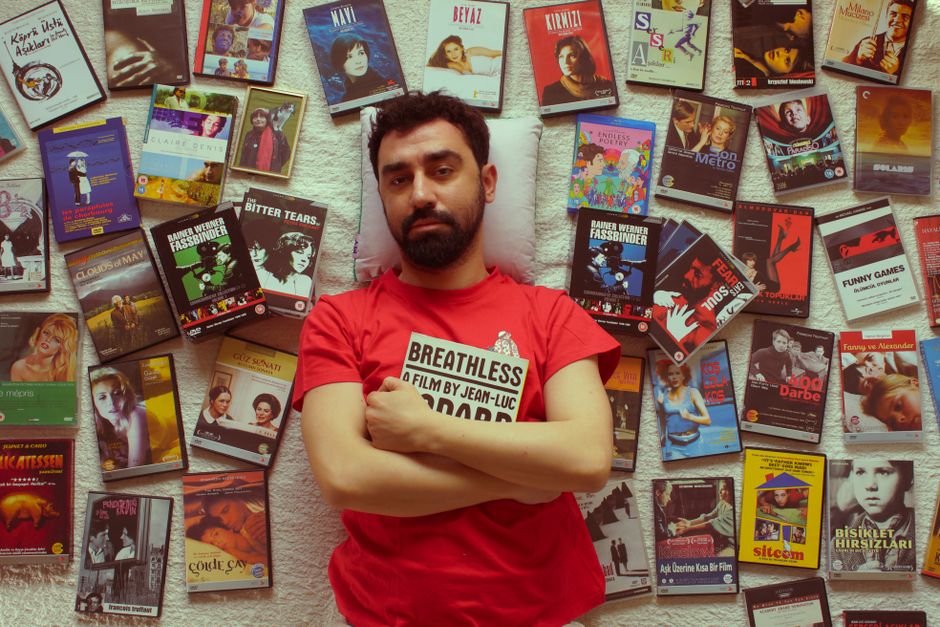
Lasting Emotional Impressions and Shared Conversations
As someone who has moderated film discussions and chronicled “what we watched after dinner” lists for friends, there’s something special about movies’ ability to leave lasting emotional impressions that spur shared conversations. Unlike many games, where the focus might be competition, mechanics, or achievement, movies often distill complex human emotions and ideas into a digestible format that encourages reflection.
Why This Matters
- Conversations Across Generations: A well-loved movie can be a touchpoint connecting different ages and backgrounds, from parents reminiscing about films they saw young to kids encountering stories in classrooms or streaming apps.
- Emotional Resonance: Films use visual and auditory techniques—cinematography, music, acting—to evoke feelings quickly and deeply, sometimes becoming part of the soundtrack of our lives.
- Comfort in Familiarity: Unlike some games that constantly push you to learn new rules or master mechanics, revisiting movies can offer a comforting experience, knowing the story arc but still appreciating fresh details each time.
Final Thoughts: Why Movies Still Matter
So, when weighed against the endless options in gaming, why do movies still hold their ground? Because they:
- Offer a passive, immersive storytelling experience distinct from interactive play
- Serve as cultural touchstones that spark shared conversations and lasting emotional imprint
- Complement games by fitting different moods and time commitments in our entertainment mix
- Benefit from streaming convenience while offering concise, meaningful narratives amid choice overload
In the end, movies and games aren’t adversaries but partners in the diverse tapestry of modern entertainment. Whether you want to lose yourself in an epic narrative or engage actively with a game, each has something valuable to offer. The real win? Having the freedom to choose based on mood, company, and time.
So next time you find yourself debating “movies or games,” remember that sometimes the best answer is: both.